Best Professional Dental Cleaning & Teeth Cleaning in Delhi | Scaling & Polishing | Dantice
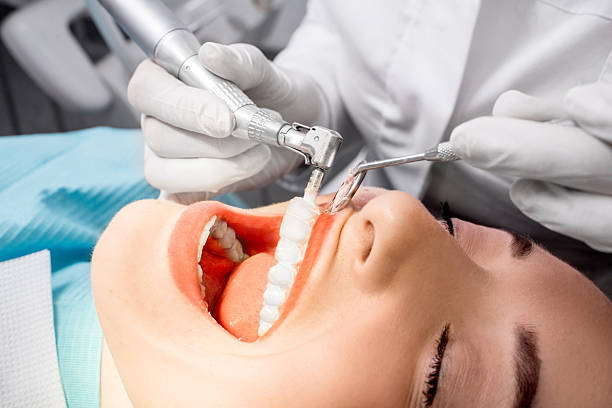
Professional dental cleaning, also known as teeth scaling and polishing, is one of the most important preventive dental procedures in Delhi. It removes plaque, tartar (calculus), and surface stains that regular brushing can't eliminate. Most dentists recommend getting it done every 6 months to maintain excellent oral health and prevent bigger issues like cavities, gum disease, and bad breath. Unlike regular brushing at home, professional dental cleaning by a qualified dentist uses specialized equipment and techniques for a thorough, deep clean.
Why Professional Dental Cleaning Matters
Your teeth face constant challenges from plaque buildup, tartar accumulation, and stubborn stains. Regular brushing alone can't remove hardened tartar that forms below the gum line. Professional dental cleaning goes deeper:
- ✓ Removes tartar & plaque that brushing misses, especially below gum lines
- ✓ Prevents gum disease and reduces risk of tooth loss
- ✓ Brightens your smile by removing surface stains safely
- ✓ Early detection of cavities and oral health issues
What Is Dental Cleaning?
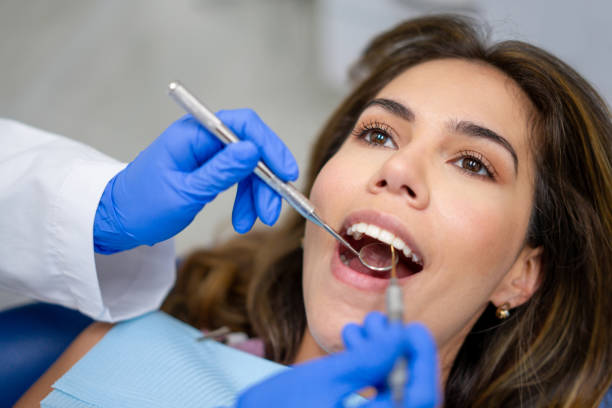
Dental cleaning is a professional procedure performed by a dentist or dental hygienist. It involves removing plaque, hardened deposits (tartar or calculus), and stains from the teeth.
Daily brushing and flossing help maintain oral hygiene, but dental cleaning removes hardened plaque that cannot be removed by a toothbrush alone.
Why Is Dental Cleaning Important?
Dental cleaning is essential for maintaining healthy teeth and gums. Key benefits include:
- Helps prevent gum disease (gingivitis)
- Reduces bad breath (halitosis)
- Makes teeth look cleaner and shinier
- Lowers the risk of cavities and tooth loss
- Improves overall oral health
Types of Dental Cleaning
- Regular / Prophylaxis Cleaning — For people with healthy gums; recommended once every 6 months. Includes removal of plaque and tartar, polishing, and light stain removal.
- Scaling and Root Planing (Deep Cleaning) — For gum problems (bleeding, swelling, periodontitis). Cleans below the gum line and smooths roots; local anaesthesia may be required.
More Types of Cleaning
- Gross Debridement Cleaning — For heavy tartar buildup when long overdue; removes large deposits so a proper exam and further cleaning can follow.
- Periodontal Maintenance Cleaning — After gum disease treatment; done every 3–4 months to prevent recurrence and maintain gum health.
Is Dental Cleaning Painful?
Regular cleaning is usually painless. Deep cleaning may cause mild discomfort; people with sensitive teeth can experience slight pain. Dentists can use local anaesthesia when needed.
How Long Does Dental Cleaning Take?
Regular dental cleaning: 30–45 minutes.
Deep cleaning: 1–2 sessions depending on severity.
Why Is Dental Cleaning Important?
Regular professional dental cleaning is one of the most critical pillars of preventive oral health. While daily brushing and flossing are essential, they cannot remove hardened tartar (calculus) that bonds to your teeth. Here's why professional cleaning is non-negotiable:
Routine Dental Cleaning (Scaling & Polishing)
Best for: Patients with healthy gums and minimal tartar buildup (recommended every 6 months)
What Happens During Routine Cleaning:
- Visual Examination: Dentist checks for cavities, gum health, and signs of disease
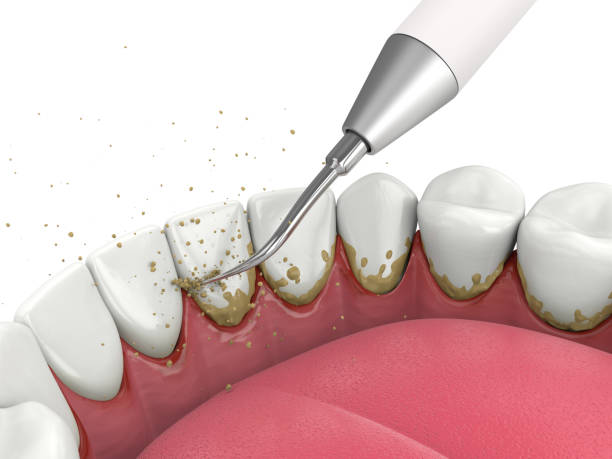
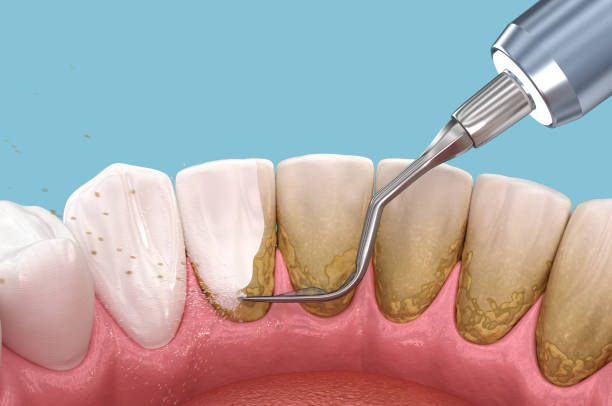
- Ultrasonic Scaling: Vibrating tool loosens and removes tartar from tooth surfaces and just below the gum line (painless for most)
- Hand Scaling (if needed): Manual instruments clean areas the ultrasonic scaler couldn't reach completely
- Suction & Removal: Saliva is suctioned, and loose debris is rinsed away
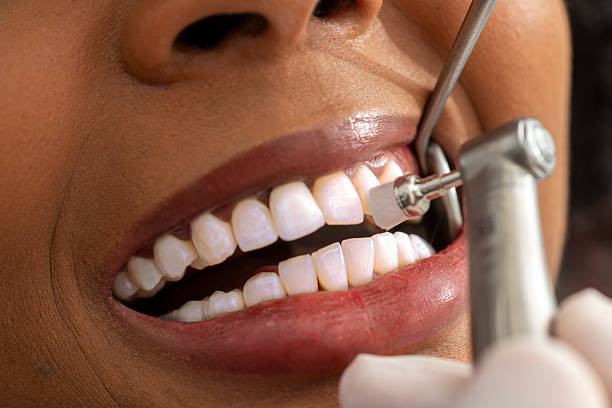
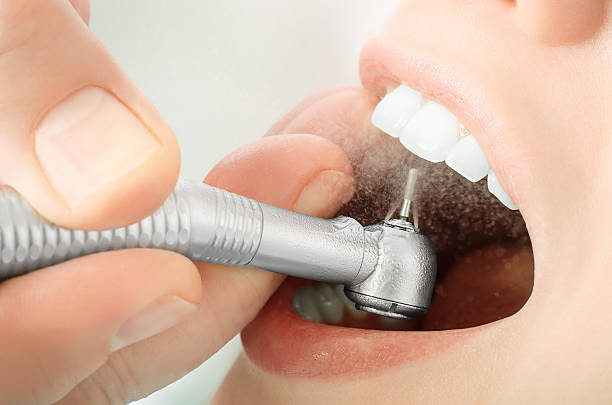
- Polishing: Rotating brush with minty-flavored cleaning paste smooths teeth and removes surface stains
- Professional Flossing: Dentist flosses between teeth to check for pockets and remove stubborn debris
- Fluoride Application (optional): Gel or varnish hardens enamel and prevents decay for 3–6 months
Duration: 30–45 minutes | Cost: ₹800–₹3,500 in Delhi
Deep Dental Cleaning (Scaling and Root Planing)
Best for: Patients with gum disease (gingivitis or periodontitis) showing signs like bleeding, swelling, or pockets deeper than 3mm
What Makes It "Deep":
- Subgingival Scaling: Scaling tool goes deep below the gum line (up to 5–7mm) where routine cleaning can't reach
- Root Planing: Dentist smooths the root surfaces to remove tartar, bacteria, and toxins that irritate gums and cause bone loss
- Numbing Required: Local anesthesia is usually given for comfort before the procedure begins
- Multiple Sessions: Often done quadrant by quadrant (4 visits) rather than the entire mouth in one visit
- Antibiotic Rinse or Powder: Sometimes placed under gums to kill remaining bacteria
Duration: 45–90 minutes per quadrant | Cost: ₹2,000–₹6,000+ depending on severity
📌 Post-Deep Cleaning Care: Expect mild soreness for 2–3 days. Use salt water rinses, take OTC pain relievers, and avoid crunchy foods.
Gross Debridement Cleaning
Best for: Patients with severe tartar buildup, severe gum inflammation, or patients who haven't had cleaning in many years
What Is Gross Debridement:
Gross debridement is a preliminary "emergency" cleaning that quickly removes massive amounts of visible tartar and plaque so other procedures (like periodontal evaluation or X-rays) can be done effectively. It's NOT a substitute for proper deep cleaning.
Key Differences:
- Aggressive Approach: Uses powerful ultrasonic scalers to blast away heavy calculus deposits
- Fast but Rough: Gets teeth quickly "clean enough" for diagnosis, but not as thorough as routine/deep cleaning
- Often Paired with Deep Cleaning: Usually followed by proper scaling and root planing in later sessions
- More Discomfort: Can cause temporary soreness, but numbness prevents severe pain during procedure
Cost: ₹1,500–₹3,000 (often included in deep cleaning package)
Periodontal Maintenance Cleaning
Best for: Patients with a history of gum disease who have completed deep cleaning treatment and need ongoing management
What Is Periodontal Maintenance:
Also called "perio maintenance" or "supportive periodontal therapy," this is a specialized cleaning performed 3–4 times per year (instead of the standard 2 times) for patients with gum disease. It combines elements of routine and deep cleaning.
Key Features:
- More Frequent Visits: Preventive measure to stop gum disease from returning or worsening
- Subgingival Cleaning: Includes some scaling below the gum line, like deep cleaning
- Pocket Monitoring: Dentist measures gum pocket depths to track disease progression
- Targeted Focus: Emphasis on areas that showed disease or bone loss in past exams
- Advanced Techniques: May include laser therapy or antibiotic powders to control bacteria
Cost: ₹1,500–₹2,500 per visit (lower than deep cleaning, but more frequent)
💡 Why It Matters: Studies show patients who skip perio maintenance have a 50% or higher chance of gum disease returning within 2 years.
Air Polishing (Advanced Dental Cleaning)
Best for: Patients wanting superior stain removal, sensitive teeth, and the latest cleaning technology
What Is Air Polishing:
Air polishing uses a jet of air mixed with a fine powder (sodium bicarbonate or glycine-based) to blast away stains, plaque, and discoloration. It's gentler than traditional rubber-cup polishing and reaches areas traditional methods miss.
How It Works:
- Jet Technology: High-velocity spray removes stains in seconds (not minutes like traditional polishing)
- Minimal Tooth Removal: Uses fine powder instead of abrasive paste, so less enamel is removed
- Ideal for Stain Removal: Highly effective on coffee, tea, red wine, and tobacco stains
- Comfortable: No heat, less vibration, and quieter than ultrasonic scalers
- Reaches Hard-to-Clean Areas: Gets into interproximal areas (between teeth) that regular polishing misses
- Treats Implants/Crowns: Doesn't damage dental work, making it ideal for patients with implants or veneers
Comparison with Traditional Polishing:
| Feature | Traditional Polishing | Air Polishing |
|---|---|---|
| Speed | 2–3 minutes per tooth | Seconds per tooth |
| Stain Removal | Moderate | Excellent |
| Enamel Abrasion | Moderate | Minimal |
| Comfort Level | Good (heat & vibration) | Excellent (cool & quiet) |
| Safe for Veneers/Crowns | Not ideal (may damage) | Yes, very safe |
| Cost | ₹1,000–₹2,000 | ₹2,000–₹4,000 |
Duration: 30–45 minutes | Cost: ₹1,500–₹4,000 in Delhi
How Often Should Dental Cleaning Be Done?
Standard Recommendation:
Every 6 months (twice per year) for most people
Personalized Schedule Based on Your Risk:
| Patient Type / Risk Level | Recommended Frequency | Reason |
|---|---|---|
| Excellent Oral Health (Clean gums, no decay, excellent brushing) | Every 12 months | Lower risk; annual cleaning sufficient |
| Good Oral Health (Occasional tartar, normal gums) | Every 6 months | Standard prevention schedule |
| Gum Disease / History of Gingivitis | Every 3–4 months | Periodontal maintenance to prevent relapse |
| Heavy Smokers / Tea/Coffee Drinkers | Every 3–4 months | Quick stain & tartar buildup |
| Diabetes or Heart Disease | Every 3–4 months | Higher infection risk; better oral health helps manage disease |
| Pregnant or On Immunosuppressants | Every 3–6 months | Hormonal changes or immune status affects oral health |
| Severe Periodontitis / Recent Treatment | Every 2–3 months | Aggressive management to prevent tooth loss |
Benefits of Regular Dental Cleaning
🦷 Stronger Teeth
Removes decay-causing bacteria and strengthens enamel with fluoride treatments
😊 Brighter Smile
Eliminates stains from coffee, wine, and tobacco for visibly whiter teeth
💨 Fresh Breath
Removes bacteria causing bad breath and provides long-lasting freshness
❤️ Better Heart Health
Lower oral bacteria reduces risk of heart disease, stroke, and inflammation
💰 Saves Money
Prevents expensive treatments like root canals (₹8,000+) and implants (₹30,000+)
🎯 Early Detection
Catch cavities, gum disease, and oral cancer before they become serious
🦴 Prevents Bone Loss
Stops periodontitis from destroying jawbone that supports teeth
👨⚕️ Professional Assessment
Get expert advice on brushing, flossing, diet, and oral health habits
🌟 Long-Term Benefit: People who get regular cleanings retain their natural teeth 95% longer than those who don't, enjoying better quality of life, better nutrition, and higher confidence well into old age.
What is Dental Cleaning / Scaling & Polishing?
Dental cleaning involves two main procedures:
- Scaling: Uses special tools (ultrasonic scaler or hand instruments) to remove hardened tartar and plaque from teeth surfaces and below the gum line. The ultrasonic vibrations are painless for most patients.
- Polishing: A rotating brush with a gritty paste smooths the teeth, removes minor stains, and gives a shiny, clean finish.
Important: This is different from deep cleaning (scaling and root planing), which is a more intensive procedure for patients with gum disease (periodontitis). Deep cleaning goes deeper below the gum line and may require local anesthesia.
Benefits of Professional Teeth Cleaning
- Prevents gum disease: Stops progression from gingivitis to periodontitis, which can lead to tooth loss.
- Reduces cavity risk: Lowers risk of cavities and tooth decay by removing plaque and tartar buildup.
- Eliminates bad breath: Removes or greatly reduces bad breath (halitosis) caused by bacteria and plaque.
- Brighter smile: Removes yellow/brown stains, giving you whiter-looking, more attractive teeth.
- Better overall health: Lowers oral bacteria, linked to better heart health, diabetes control, and immune function.
- Early problem detection: Early detection of cavities, gum recession, oral cancer signs, and other dental issues.
- Cost savings: Saves money long-term by avoiding expensive treatments like root canals, implants, or extractions.
Step-by-Step Dental Cleaning Procedure
- Oral Examination: The dentist checks your teeth, gums, and mouth for issues using a mirror and probe, sometimes with X-rays to detect hidden problems.
- Scaling: Tartar is removed using ultrasonic vibrations (painless for most) or hand scalers. If deep cleaning is needed, it goes below the gum line.
- Polishing: Teeth are polished with a prophy paste and a slow-speed handpiece for smoothness and shine, removing minor stains.
- Professional Flossing: Professional flossing cleans between teeth where brushes can't reach.
- Fluoride Application (optional): A fluoride gel or varnish strengthens enamel and prevents decay for several months.
⏱️ Duration: Usually 30–60 minutes for routine cleaning.
😌 Pain Level: Mostly painless. Mild discomfort or sensitivity possible if gums are inflamed or deep cleaning is done. Local anesthesia available if needed.
How Long Does It Take?
Usually, it takes 30 to 60 minutes depending on how much cleaning is needed.
When Should You Get Dental Cleaning?
Most dentists recommend getting professional dental cleaning every 6 months (twice a year) as part of routine preventive care. However, you may need it more frequently in these cases:
- Visible tartar buildup or yellow/brown stains
- Bleeding gums when brushing or flossing
- Persistent bad breath despite regular oral hygiene
- Heavy tea/coffee drinkers or tobacco/smoking users
- Diabetes, heart issues, or pregnancy: Your dentist may recommend more frequent cleaning
- Gum disease (periodontitis): May require deep cleaning more than twice yearly
🦷 Pro Tip: Choose a dentist who uses ultrasonic scalers for comfortable, efficient cleaning. Continue daily brushing (twice daily), flossing, and mouthwash at home to maintain optimal oral health between professional cleanings.
Teeth Cleaning Cost in Delhi - 2026 Pricing Guide
Costs vary by clinic type, location, tartar buildup, and whether it's routine or deep cleaning. Here's an approximate breakdown for Delhi:
| Type of Cleaning | Average Cost in Delhi (₹) | Notes |
|---|---|---|
| Routine Scaling + Polishing | ₹800 – ₹3,000 | Most clinics; standard procedure |
| Ultrasonic Scaling & Polishing | ₹1,500 – ₹3,500 | Standard in good clinics; more comfortable |
| Deep Cleaning (Full Mouth) | ₹2,000 – ₹6,000+ | For gum disease; per quadrant or full mouth |
| Premium/Chain Clinics | ₹1,690 – ₹5,000 | Transparent pricing, often with discounts |
💡 Pro Tips:
- Delhi average (2026): ₹1,200 – ₹3,000 for basic routine cleaning
- Budget options: Smaller clinics charge ₹800–1,500
- Discounts: Many clinics offer packages or discounts for first-time patients and biannual visits
- Long-term savings: Regular cleaning every 6 months prevents costly treatments later — it's one of the best investments for your smile!
Possible Side Effects / Risks of Dental Scaling
Professional dental cleaning is very safe with minimal issues. Temporary side effects may include:
- Increased tooth sensitivity: Mild sensitivity to hot/cold (lasts 2–7 days)
- Mild gum bleeding or tenderness: Especially if gums were inflamed before cleaning
- Slight discomfort: During or after the procedure
- Temporary loosening sensation: Very rarely, teeth may feel slightly loose temporarily
✅ These effects resolve quickly within a few days.
Pro Tips to Minimize Discomfort:
- Use sensitive toothpaste (like Sensodyne) for a few days after cleaning
- Avoid extreme temperatures for a few days
- Avoid crunchy or hard foods temporarily
⚠️ Myth Busted: Professional cleaning does NOT weaken or damage teeth/enamel when done by a qualified dentist.